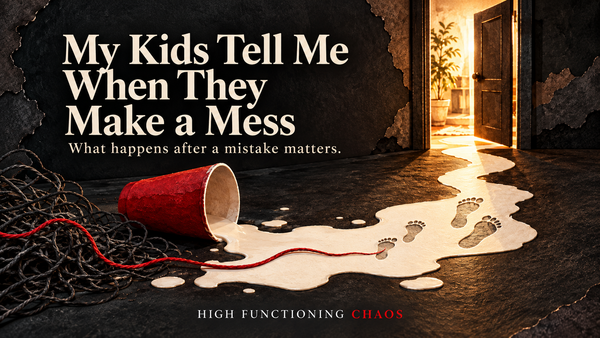
My Kids Tell Me When They Make a Mess
My kids tell me when they make a mess. I’m learning to meet them with patience, keep expectations clear, and own my mistakes when I get it wrong.
My kids tell me when they make a mess. I’m learning to meet them with patience, keep expectations clear, and own my mistakes when I get it wrong.

Loving someone takes more than good intentions. I’m learning to ask what helps them feel loved, communicate clearly, and make room for both our needs.

Trophy love looks good in pictures. Real love makes room for honesty, accountability, and clear communication—even when the conversation gets uncomfortable.
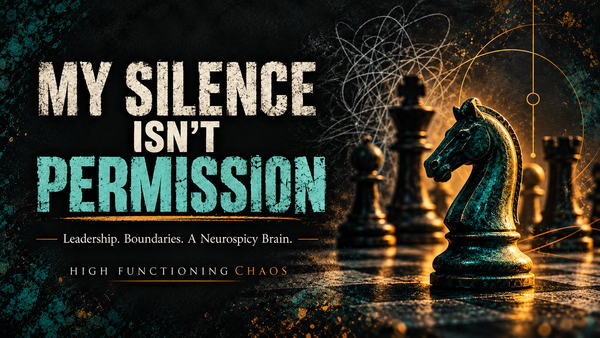
Going quiet doesn’t mean I’m okay with disrespect. My neurospicy brain is processing—and I’m learning where patience ends and a firm boundary begins.

More than two years after my March 2024 suicide attempt, I am still here—and still learning what it means to let people see the hard parts before it gets that far.

My grandmother died when I was 30, and I lost the only support system I felt I had. What followed was less a “midlife crisis” than an ego collapse—and a hard look at grief, codependency, neurodivergence, and rebuilding a self.

When chaos was familiar, calm can feel suspicious—or even boring. This Trauma Series post looks at why, especially when trauma and neurodivergence overlap.

A trauma bond can make pain, relief, and loyalty feel tangled together. Real bonds are consistent, respectful, and safe enough for you to stay yourself.
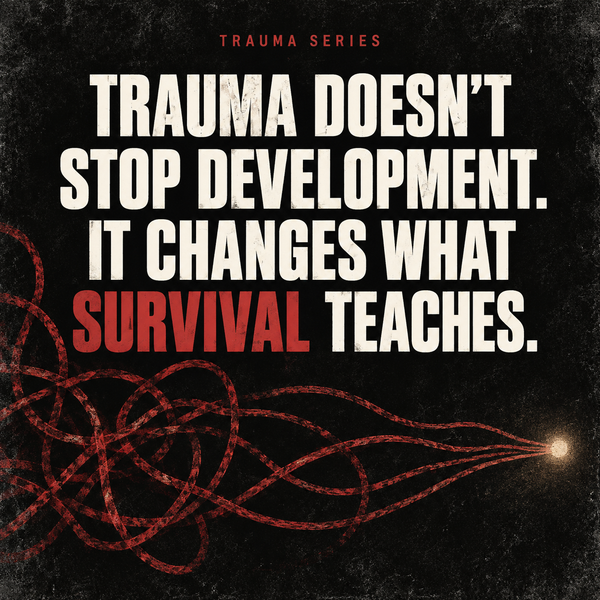
Trauma does not freeze a person at the age it happened. It can shape what the brain learns to prioritize—and for neurodivergent people, those layers can get complicated fast.