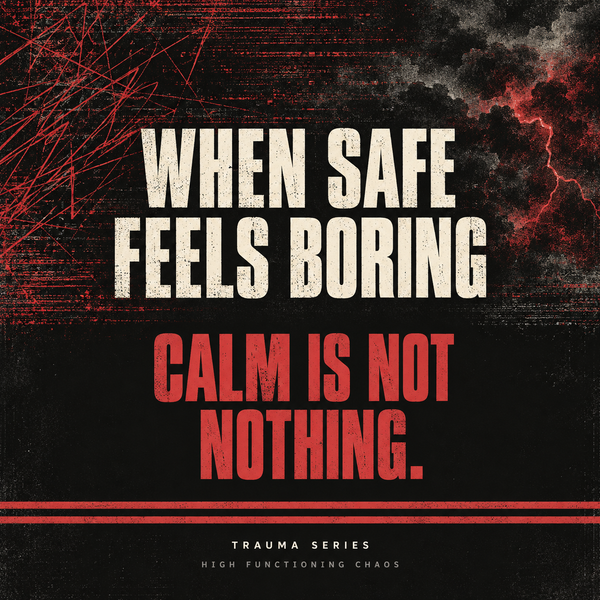
When Safe Feels Boring: Why Calm Can Feel Suspicious After Trauma
When chaos was familiar, calm can feel suspicious—or even boring. This Trauma Series post looks at why, especially when trauma and neurodivergence overlap.
Marriage. Parenting. Trauma. Neurodivergence. Survival. Written by people actually living it.
When chaos was familiar, calm can feel suspicious—or even boring. This Trauma Series post looks at why, especially when trauma and neurodivergence overlap.
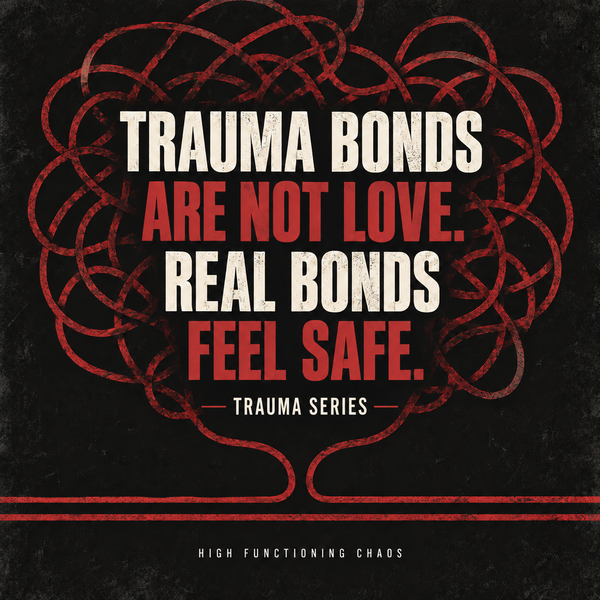
A trauma bond can make pain, relief, and loyalty feel tangled together. Real bonds are consistent, respectful, and safe enough for you to stay yourself.
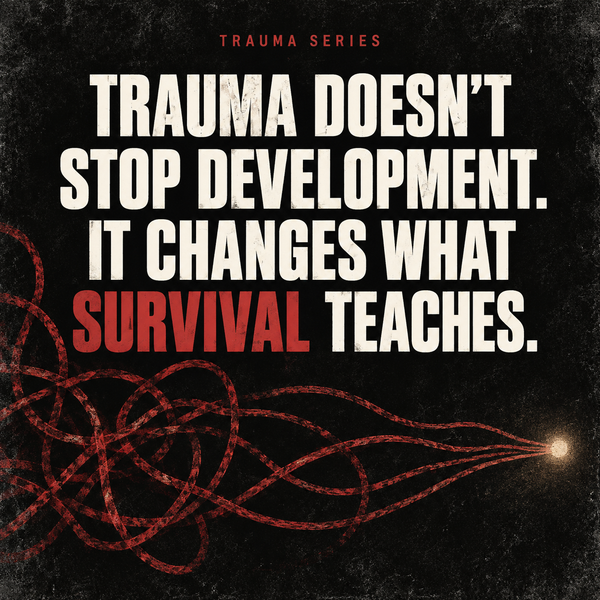
Trauma does not freeze a person at the age it happened. It can shape what the brain learns to prioritize—and for neurodivergent people, those layers can get complicated fast.
Missing social cues in the moment and realizing them later can trigger an AuDHD, BPD, and RSD spiral. Here’s what helps me pause, clarify, and repair.
My backpack holds enough supplies for several versions of my day. Trial and error built the system. I’m still figuring out what slips while I keep it running.
When old trauma gets activated, avoidant and anxious patterns can turn one small moment into a full wave of what ifs, assumptions, and emotional survival mode.
When your brain fills in missing information, it can turn silence into a whole courtroom drama. Ask better questions, respect boundaries, and stop treating assumptions like facts.
A kickoff note on where High Functioning Chaos is now: the blog, podcast, newsletter, store, memberships, and the messy middle holding it together.